How to Become a SOC Analyst in 2026: Skills, Certifications, Salary & Career Path

How to Become a SOC Analyst in 2026: Skills, Certifications, Salary & Career Path

Manoj Sharma
Founder & Lead Coach · CISSP, CCSP, CISM, CRISC
Quick Answer
How do you become a SOC analyst in 2026, and what skills, certifications and salary can you expect?
A SOC (Security Operations Centre) analyst monitors, detects and responds to cyber threats in real time and is one of the most accessible entry points into cybersecurity. Demand is high — India alone is projected to have over a million unfilled cybersecurity roles, and the 2025 ISC2 Workforce Study documented persistent skills shortages. Key skills include SIEM proficiency (Splunk, Sentinel, QRadar), incident response, threat intelligence, networking and OS knowledge, and communication. Recommended certifications by stage: CompTIA Security+ and GSEC (entry), EC-Council CSA (role-specific), CEH (intermediate), and CISSP (senior/leadership). Approximate 2026 salaries: US entry $50,000–$70,000 up to $120,000+ for leads; India ₹3.5–6 LPA for freshers up to ₹22–35+ LPA for leads. The career path runs L1 to L2 to L3, then SOC manager, security engineer, incident responder, threat hunter or consultant. Skills increasingly beat years of experience. Cybernous, led by instructor Manoj Sharma, coaches CISSP with a 98.3% organisational CISSP first-attempt pass rate.
In the ever-evolving world of cybersecurity, the SOC (Security Operations Centre) Analyst has become one of the most critical — and most accessible — roles in defending an organization's digital assets. As the volume of cyberattacks keeps climbing, SOC analysts sit on the front line, identifying, analysing and responding to threats in real time.
The demand is real and growing. In India alone, industry projections point to over a million unfilled cybersecurity positions, and the global picture is similar — the 2025 ISC2 Cybersecurity Workforce Study found widespread, persistent skills shortages across security teams. For anyone breaking into the field, that means opportunity. If you aspire to become a SOC analyst, understanding the required skills, certifications, salary expectations and career path will help you make smart, informed decisions. This guide covers all of it, with current 2026 salary data for both the US and India.
What Is a SOC Analyst?
A SOC analyst is a security professional who works within a Security Operations Centre — the nerve centre where an organization's monitoring happens — to detect and respond to security incidents in real time. They are usually the first line of defence against cyberattacks.
Core responsibilities include:
- Monitoring security alerts around the clock
- Investigating suspicious activity
- Analysing logs and threat indicators
- Escalating serious incidents to senior security teams
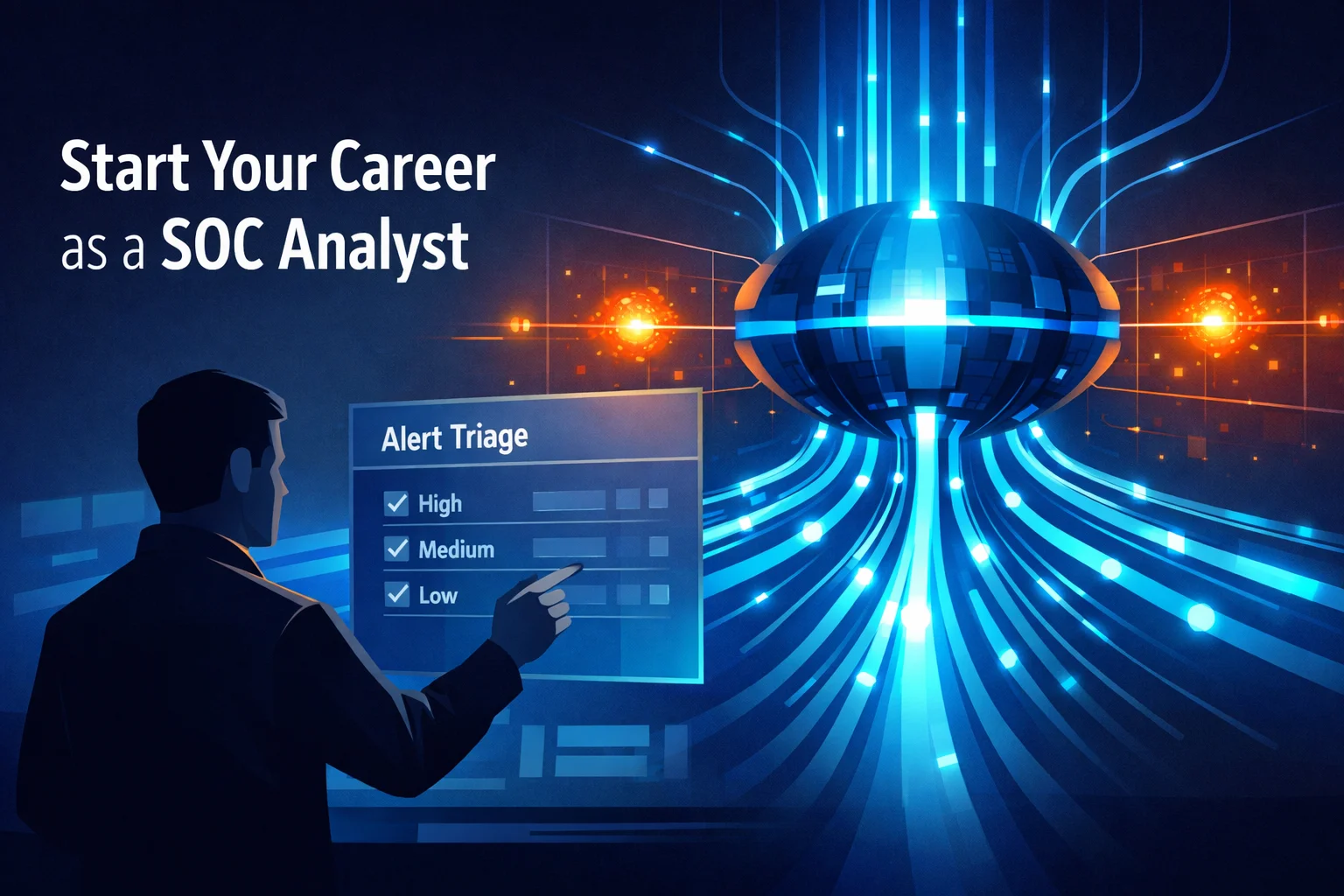
SOC roles are usually tiered. Tier 1 (L1) handles alert triage and ticketing — the entry point. Tier 2 (L2) runs deeper investigations and builds detections. Tier 3 (L3) owns threat hunting and incident response. Understanding these tiers matters, because your salary and career trajectory are driven by how fast you move up them.
Key Skills Every SOC Analyst Needs
A successful SOC analyst blends technical depth with strong communication. These are the five skill areas that matter most.
1. Proficiency with Cybersecurity Tools
SOC analysts must understand and work with core defensive tools: SIEM (Security Information and Event Management) systems, Intrusion Detection Systems (IDS), and firewalls. Hands-on experience with platforms like Splunk, IBM QRadar, Microsoft Sentinel and ArcSight is essential for monitoring and analysing security events. In Indian job listings especially, Splunk leads demand, with Microsoft Sentinel rising fast in Azure-heavy organizations.
2. Incident Response and Investigation
SOC analysts investigate suspected incidents by reviewing network traffic, analysing logs, and identifying root causes. Quick, sound decision-making is critical to minimising damage. This is also where careers accelerate — moving from simply triaging alerts to owning investigations is the single biggest driver of salary growth.
3. Threat Intelligence
Awareness of the latest threats, attack techniques and threat actors is essential. Good threat intelligence helps analysts detect early indicators of compromise, anticipate emerging threats, and respond proactively before damage occurs. Fluency in frameworks like MITRE ATT&CK is increasingly a differentiator on job descriptions.
4. Networking and Operating System Knowledge
A strong grasp of network protocols (TCP/IP, DNS, HTTP) and operating systems (Windows, Linux, macOS) is vital for analysing logs and traffic effectively. You cannot spot what is abnormal until you deeply understand what normal looks like at the packet and log level.
5. Communication Skills
Technical skill alone is not enough. SOC analysts must clearly explain findings to technical teams, communicate risk to non-technical stakeholders, and prepare detailed, accurate incident reports. In interviews and on the job, the ability to talk in outcomes — "I reduced false positives by X" — rather than tasks is what sets strong analysts apart.
The hard truth I share with students: in 2026, skills beat years of experience. Two analysts with identical tenure can be separated by a 40–60% salary gap based on SIEM query depth, incident-response ownership and MITRE ATT&CK fluency. Build demonstrable skills, not just a longer resume.
Best Certifications for a SOC Analyst
Certifications validate expertise and improve employability. They are not always mandatory, but they open doors — and they signal commitment. Here is how the key ones compare.
| Certification | Level | Focus | Best For |
|---|---|---|---|
| CompTIA Security+ | Entry | Network security, cryptography, risk basics | Freshers starting out |
| GIAC GSEC | Entry / Foundation | Core security principles, system protection | Beginners wanting depth |
| Certified SOC Analyst (CSA) | Role-specific | Monitoring, detection, incident response | Aspiring SOC analysts |
| CEH | Intermediate | Ethical hacking, attacker methodologies | Analysts wanting offensive insight |
| CISSP | Senior / Leadership | Governance, risk, security strategy | Senior & lead SOC roles |
A few notes on how to use these. CompTIA Security+ is the classic entry point and is widely accepted by Indian MNCs and global capability centres for L1 SOC roles. Certified SOC Analyst (CSA), from EC-Council, is tailored specifically for SOC work. CEH adds attacker-perspective knowledge. And CISSP, one of the most respected certifications globally, is the credential to target as you move toward senior and lead roles — it validates the governance, risk and strategy expertise leadership demands.
Stacking certifications instead of building skills. Certifications get you the interview; they rarely change the offer number on their own. One rigorous, well-understood certification paired with real hands-on lab work beats a long list of paper credentials with no practical depth behind them. Learn the tools, not just the acronyms.
SOC Analyst Salary in 2026
Salaries vary widely by location, experience, specialisation and — increasingly — demonstrable skill. The figures below are approximate 2026 ranges drawn from current salary aggregators and hiring reports; treat them as guidance, not guarantees.
United States (2026)
| Level | Typical Annual Salary (USD) |
|---|---|
| Entry-Level (Tier 1) | $50,000 – $70,000 |
| Mid-Level (Tier 2) | $70,000 – $95,000 |
| Senior SOC Analyst (Tier 3) | $95,000 – $120,000+ |
| SOC Lead / Manager | $120,000 – $150,000+ |
High-cost, high-demand metros such as San Francisco, New York and Seattle commonly pay 40–60% above the national median, and security-cleared roles carry a further premium. Detection engineering and threat-hunting specialisations pay noticeably more than generalist SOC work.
India (2026)
| Level | Typical Annual Salary (INR) |
|---|---|
| Fresher / L1 (0–2 yrs) | ₹3.5 – 6 LPA |
| Mid-Level / L2 (2–5 yrs) | ₹7 – 15 LPA |
| Senior / L3 (6+ yrs) | ₹14 – 22 LPA |
| SOC Lead / Manager (10+ yrs) | ₹22 – 35+ LPA |
Metro hubs like Bangalore, Hyderabad and Pune offer slightly higher entry-level packages thanks to the concentration of global security operations centres — Bangalore fresher averages sit around ₹5.3 LPA per 2026 aggregator data. Skilled, lab-trained candidates routinely command 25–40% more than theory-only applicants at the same level.
In both markets, the L1 → L2 jump is the biggest single salary increase you will make — often a 60–100% jump in India and a $15,000–$25,000 jump in the US. Target it within 18–24 months by building investigation depth, not just triage speed. Document your investigations, build detections even when it is not formally your job, and move up.
SOC Analyst Career Path and Advancement
SOC analysts typically begin in entry-level (L1) roles and progress as they gain experience and skills. The path is well-defined, and the ceiling is high.
- SOC Manager: oversees SOC operations, staffing and incident handling
- Security Engineer: implements and maintains security controls and detections
- Incident Response Analyst: specialises in responding to and mitigating active attacks
- Threat Hunter / Detection Engineer: proactively hunts threats and writes detections — a high-premium specialism
- Cybersecurity Consultant: advises organizations on security strategy and solutions
Many senior penetration testers, security leads and even CISOs started their careers as L1 SOC analysts. The experience you gain in those first 12–18 months — real threat data, SIEM fluency, live incident response — is genuinely hard to replace.
For those targeting leadership — SOC manager, security lead, CISO — certifications like CISSP, combined with experience managing security teams, become essential. CISSP validates the governance, risk and strategy expertise that separates a senior technical analyst from a security leader. It is the natural next credential once you have the experience behind you.
How to Break Into a SOC Role
If you are starting from zero, here is a practical, current path into your first L1 SOC job.
- Build foundations: networking (TCP/IP, DNS), Windows and Linux logs, and core security concepts
- Earn an entry certification: CompTIA Security+ is the most widely accepted starting point
- Get hands-on: practise on real SIEM labs (Splunk, Sentinel) and platforms like TryHackMe — practical exposure is what employers pay a premium for
- Learn one SIEM well: knowing two or three tools well enough to discuss in an interview puts you ahead of most freshers
- Document your work: write up your lab investigations clearly — strong write-ups make you stand out
- Apply widely and interview in outcomes: talk about how you reduced false positives or improved response time, not just tasks you performed
Ready to Build a Cybersecurity Career?
Whether you are starting as a SOC analyst or aiming for senior and leadership roles, Cybernous can help you get there — from hands-on cybersecurity training to CISSP coaching with a 98.3% organisational CISSP first-attempt pass rate. 2,000+ certified across 40+ countries, mentored by Manoj Sharma.
Explore the CISSP Success Toolkit →
Conclusion
A career as a SOC analyst is both challenging and rewarding — and in 2026, with a wide skills gap and over a million unfilled cybersecurity roles in India alone, the demand is on your side. With the right mix of technical skills, hands-on practice, well-chosen certifications and continuous learning, you can build a long-term, high-growth career defending organizations against real threats.
Start where you are: build the foundations, get practical with SIEM tools, earn an entry certification, and move quickly from monitoring to investigation. Then, as you grow, credentials like CISSP combined with real experience open the doors to senior and leadership roles. Whether you are just starting out or accelerating an existing career, the SOC path offers significant professional growth and genuine impact.
Continue Reading
- Top 10 tools every SOC analyst should master in 2026
- Become the next SOC analyst in just 90 days
- SOC analyst: your first step toward a powerful cybersecurity career
- The CISSP Success Toolkit — advance to senior roles
- The CISM Success Toolkit — governance-first coaching
- Free cybersecurity practice questions
- Meet your coach, Manoj Sharma
- Read verified career success stories
- Live CISSP training for working professionals worldwide
- Book a free 20-minute career strategy call
Frequently Asked Questions
You might also like


Ready to accelerate your certification journey?
Join Cybernous' structured programme with live mentoring, hands-on practice, and a proven track record.