
Introduction
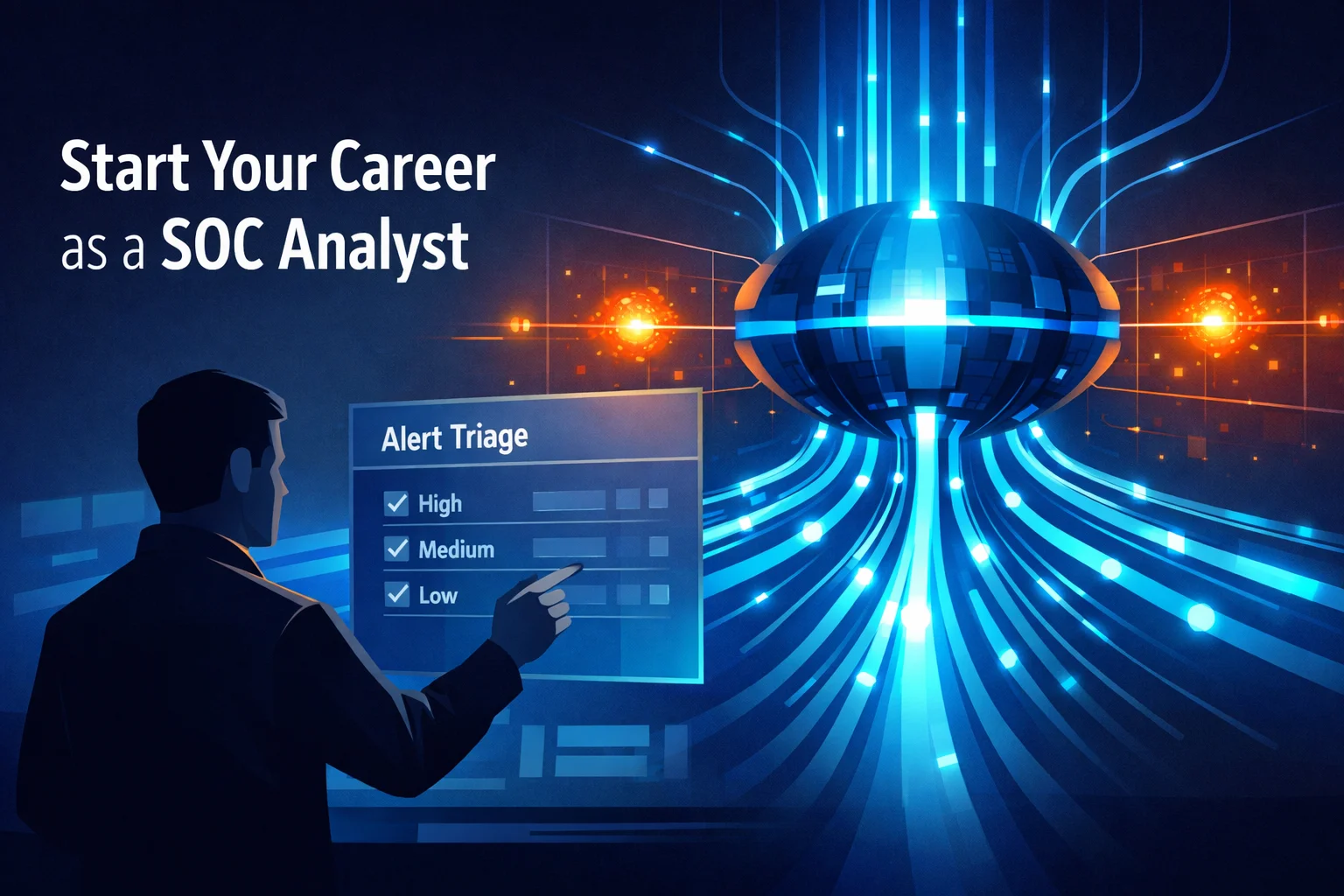
You can become the next leading cybersecurity professional with a SOC analyst certification—if you give 90 days of focused, consistent effort. The cybersecurity landscape is expanding fast, and SOC roles remain one of the most reliable entry points into the industry.
If SOC analyst career growth excites you, this guide will help you understand the basics and the path to crack the exam with the right direction.
CORE CONCEPT
SOC is not about “knowing tools.” SOC is about detecting abnormal behavior, validating it fast, and responding without panic.
Who Should Pursue SOC Analyst Training Programs?
Training for a SOC analyst can be ideal for:
Cybersecurity newcomers who want hands-on experience
IT professionals transitioning into cybersecurity roles
People interested in threat detection, incident response, and security monitoring
Current security analysts who want to enhance skills
SOC Analyst Career Transition from IT
Transitioning from IT into a SOC Analyst role is a powerful move—especially if you’re serious about cybersecurity. Most IT professionals already have a base in networks, systems, and infrastructure. That’s a strong advantage.
To make the shift, focus on threat detection, incident response, and working with SIEM tools for monitoring. Learn frameworks, improve analytical thinking, and build communication skills—because you’ll be explaining incidents to both technical and non-technical people.
Certifications such as CompTIA Security+ can validate your foundation. With structured bootcamps and hands-on labs, you can bridge gaps quickly and make the transition smoother.
SOC Analyst Exam Pattern (CSA / EC-Council 312-39)
Exam Details
Field | Details |
|---|---|
Exam Code | 312-39 |
Number of Questions | 100 multiple-choice questions |
Duration | 3 hours |
Passing Score | 70% |
Exam Topics with Weightage
Security Operations and Management (5%)
Understanding Cyber Threats, IoCs, and Attack Methodology (11%)
Incidents, Events, and Logging (21%)
Incident Detection with SIEM (26%)
Incident Response (29%)
Enhanced Incident Detection with Threat Intelligence (8%)
Recommended Preparation
Authorized training courses and structured guidance
Practice tests + hands-on labs + interview preparation
Study guides and consistent revision
SOC Analyst Entry-Level Job Roles
Common entry-level job titles include:
Junior SOC Analyst
Security Analyst
Incident Response Analyst
Threat Analyst
Cybersecurity Analyst
IT Security Specialist
SOC Trainee
SOC Analyst Job Requirements for Entry-Level Positions
Education
A bachelor’s degree in CS/IT/Information Security is useful, but not always mandatory
Many companies prioritize skills and certifications over degrees
Key Skills for SOC Analyst Opportunities in India
Basic networking knowledge
Security fundamentals + SIEM monitoring basics
Operating systems fundamentals
Analytical and problem-solving skills
Strong communication skills
Certifications that Help
CompTIA Security+
Certified Ethical Hacker (CEH)
GIAC Security Essentials (GSEC)
Industries Best After SOC Analyst Training
SOC analyst career growth is strong across many sectors:
Finance and Banking (protecting financial systems and fraud detection)
Healthcare (patient data security)
Government (defense against cyber threats)
Technology and Software (intellectual property and customer data)
E-commerce and Retail
Energy and Utilities (critical infrastructure protection)
Consulting and Managed Security Services
In a Nutshell
SOC analyst certification can open a serious career path—but only if you combine study with hands-on practice. The opportunity is real, and the market demand is not slowing down.
NEXT STEP
With Cybernous, you can access structured SOC analyst training, hands-on practice, and interview preparation. Book your first session and take the first step toward a stronger cybersecurity career.