Why the Future of Cybersecurity Belongs to AI-Expert Professionals in 2026

Why the Future of Cybersecurity Belongs to AI-Expert Professionals in 2026

Manoj Sharma
Founder & Lead Coach · CISSP, CCSP, CISM, CRISC
Quick Answer
Why does the future of cybersecurity belong to AI-expert professionals?
The future of cybersecurity is being shaped by the rapid growth of artificial intelligence and automation. As cyber threats become more advanced, frequent, and data-driven, traditional security methods based solely on manual analysis and rule-based systems are no longer sufficient. AI-expert professionals are emerging as critical assets because they can leverage machine learning, behavioral analytics, and automation to detect threats in real time and respond more effectively. AI enables cybersecurity teams to process massive volumes of data, identify patterns that humans may miss, and reduce response times during incidents. Instead of replacing professionals, AI enhances their capabilities by automating repetitive tasks such as log analysis and alert triage, allowing experts to focus on strategic decision-making and threat hunting. This shift makes cybersecurity roles more analytical, proactive, and business-focused. Organizations increasingly seek professionals who understand both cybersecurity fundamentals and AI technologies. Skills such as data analysis, automation, and AI-driven security operations are becoming essential for modern security teams. As digital environments continue to expand, the future of cybersecurity will belong to professionals who can effectively combine human expertise with AI-powered intelligence to protect systems, data, and businesses.
AI-Expert Cybersecurity Professional: The Future of Digital Defense
Introduction
In today’s hyper-connected digital world, cyber threats are evolving faster than ever. Traditional security systems are struggling to keep up with sophisticated attacks such as phishing, ransomware, and zero-day exploits.
As a result, organizations are turning to the most advanced weapon in the cybersecurity arsenal — Artificial Intelligence (AI). However, AI alone is not enough. It requires skilled professionals who understand both AI and cybersecurity.
This has led to the rise of the AI-Expert Cybersecurity Professional — a new generation of tech guardians.
The Convergence of AI and Cybersecurity
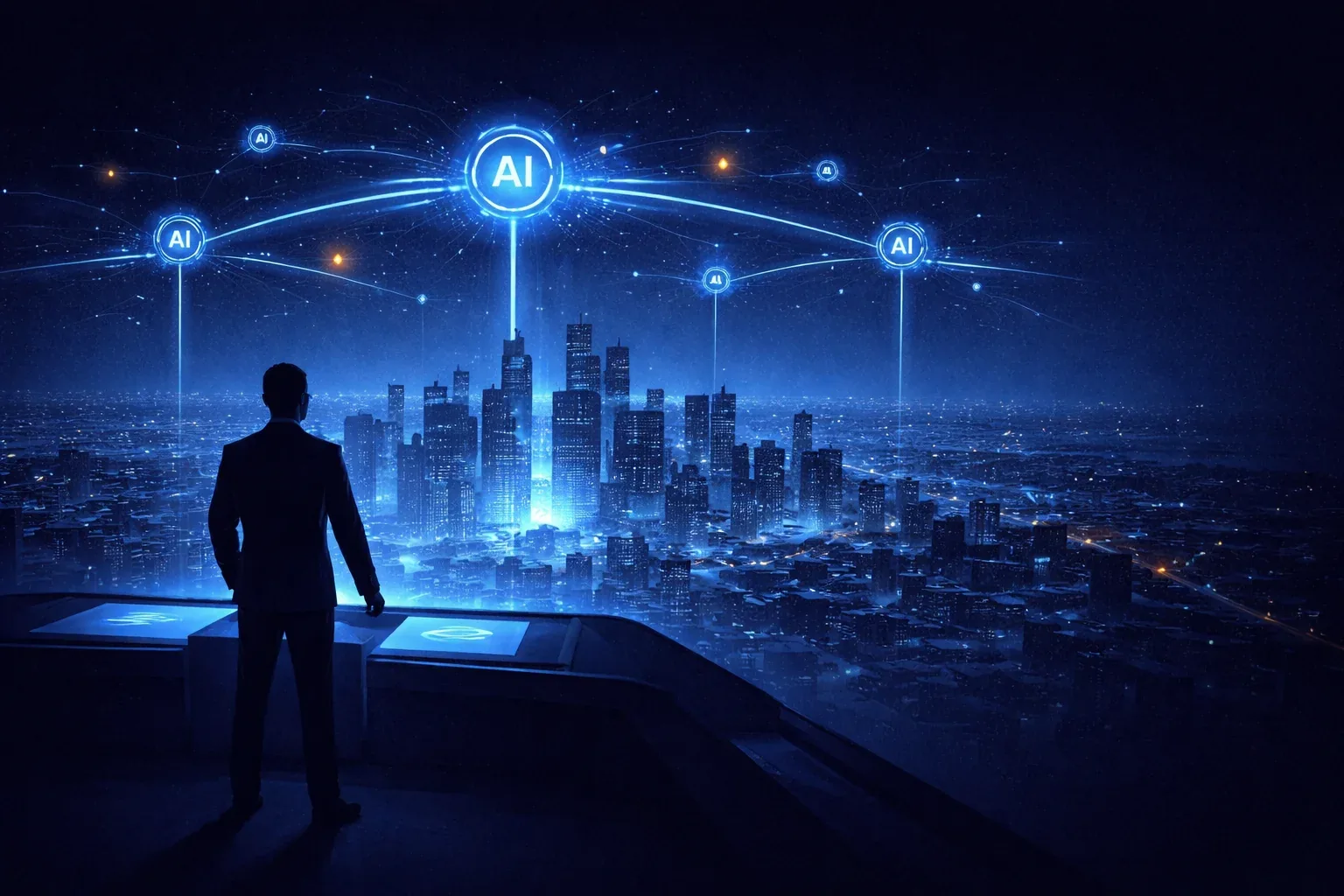
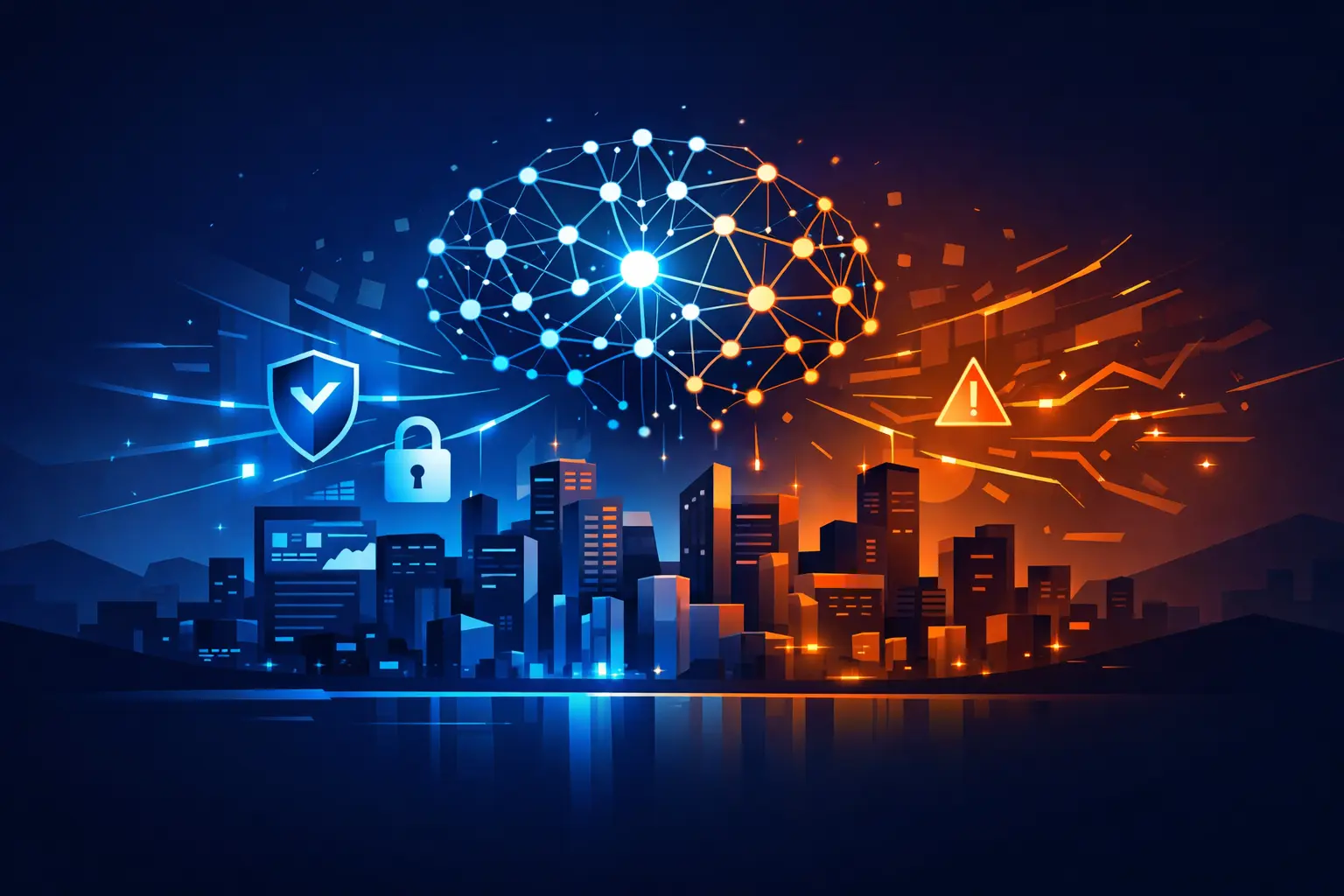
AI is transforming how organizations detect, prevent, and respond to cyber threats. Unlike traditional methods that rely on static rules or manual monitoring, AI analyses massive data volumes in real time and identifies anomalies that indicate potential breaches.
Key areas where AI strengthens cybersecurity include:
Threat Detection: AI algorithms recognize suspicious behaviour patterns and flag threats long before human analysts can.
Faster Response: AI-powered tools respond to attacks within seconds, minimizing damage.
Predictive Analytics: By analysing historical data, AI forecasts future threats, enabling proactive defence.
This convergence is creating both unprecedented opportunities and new challenges for cybersecurity teams.
Who Is an AI-Expert Cybersecurity Professional?
An AI-Expert Cybersecurity Professional combines strong cybersecurity expertise with advanced AI and machine learning (ML) skills. This dual skill set enables them to:
Design AI-driven security systems
Train ML models to detect malicious activity
Analyse threats using data science tools
Build automated incident response frameworks
These professionals understand attacker behaviour and leverage AI-based tools to stay ahead of cybercriminals.
Why Companies Need AI-Driven Cyber Defenders
As cyberattacks grow in scale and sophistication, organizations are investing in intelligent defence mechanisms. AI-Expert Cybersecurity Professionals are central to this shift for several reasons:
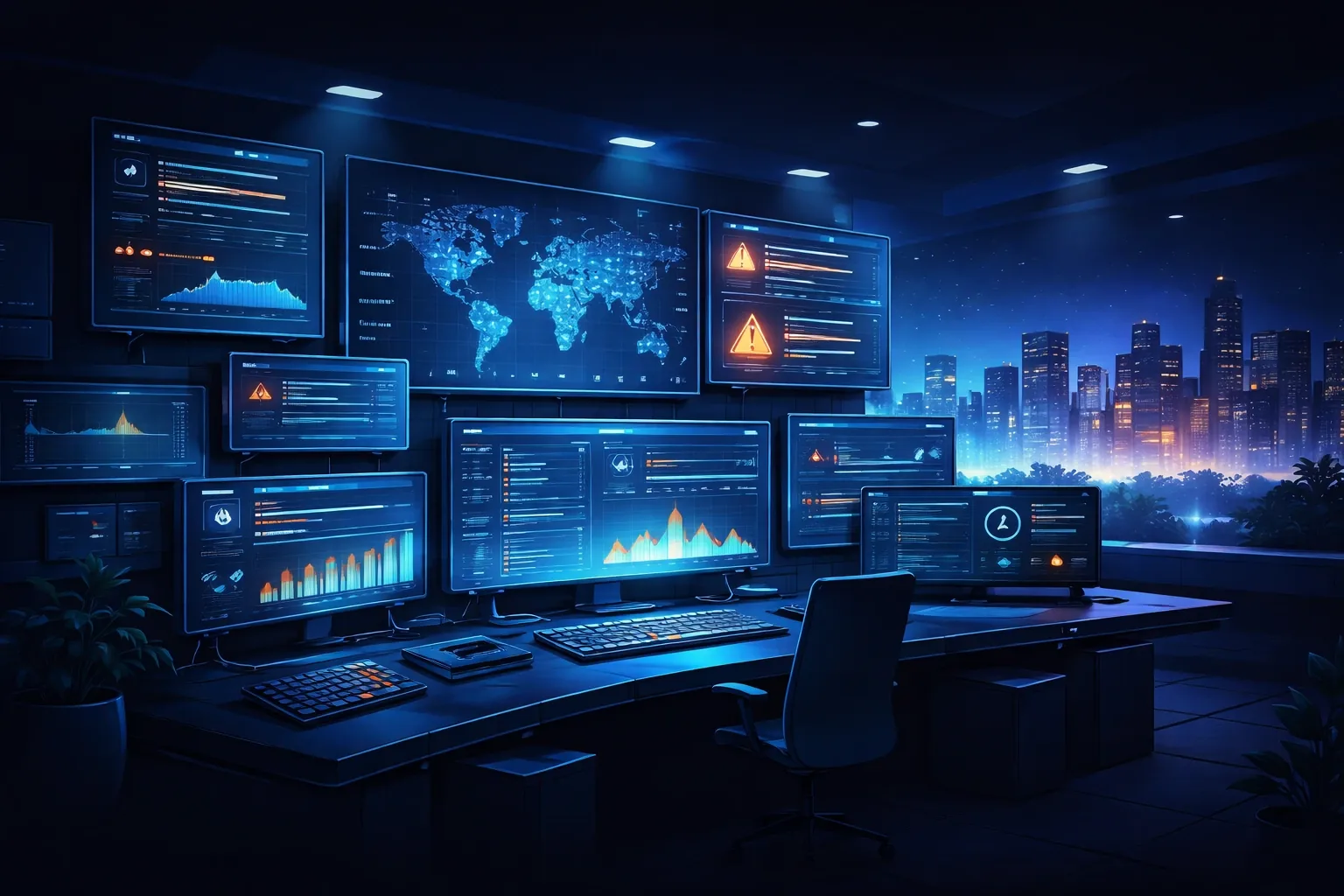
Speed and Scalability: AI processes millions of logs and events in seconds. Experts fine-tune these systems to detect real threats while minimizing false positives.
Shortage of Skilled Talent: Professionals skilled in both AI and cybersecurity are rare, making them highly valuable.
Evolving Threat Landscape: Attackers are using AI to evade defences, requiring equally advanced defenders.
Compliance and Risk Management: AI assists with continuous monitoring, while experts ensure alignment with regulations such as GDPR and HIPAA.
Key Skills of an AI Cybersecurity Expert
To succeed in this role, professionals must blend technical depth with analytical thinking. Core skills include:
Cybersecurity Fundamentals: Firewalls, intrusion detection systems (IDS), endpoint security, and network security
Programming Languages: Python, R, and Java for AI and automation
Machine Learning & Deep Learning: Supervised and unsupervised learning, neural networks, and NLP
Data Analytics: Big data tools such as Hadoop and Spark
Threat Intelligence: Behavioral analysis and interpretation of threat feeds
Certifications such as Certified Ethical Hacker (CEH), CompTIA Security+, and Certified SOC Analyst (CSA)—combined with AI-focused courses—provide a strong career foundation.
How to Start a Career in AI Cybersecurity
If you want to enter this rapidly growing field, follow this structured roadmap:
Build a Strong Foundation
Learn core concepts such as threats, vulnerabilities, and security protocols. Entry-level certifications are highly recommended.
Learn AI and Machine Learning
Begin with Python, then move to ML frameworks like Scikit-learn, TensorFlow, or PyTorch.
Get Hands-On Practice
Work on real-world projects such as malware classification, phishing detection, or anomaly detection using real datasets.
Stay Updated
Follow industry blogs, attend conferences, and engage with cybersecurity communities like Cybernous to gain real-world exposure.
Conclusion
As cyber threats become more intelligent and persistent, traditional defences are no longer sufficient. AI in cybersecurity is redefining how organizations protect their data, systems, and networks.
However, technology alone is not enough. Skilled professionals who understand both AI and cybersecurity are essential to fully harness AI’s potential.
Becoming an AI-Expert Cybersecurity Professional places you at the forefront of one of the most impactful and future-ready careers in technology. These professionals are not only defending against modern threats but also shaping the future of digital security.
If you are passionate about cybersecurity and intrigued by AI, now is the time to build your expertise. Platforms like Cybernous provide the training, insights, and practical exposure needed to succeed in this evolving domain.
Frequently Asked Questions (FAQ)
Can someone with computer science engineering become a security analyst?
Yes, a computer science engineering background provides strong technical fundamentals for cybersecurity and AI-driven security roles.
Does the SOC analyst training at Cybernous prepare you for interviews?
Yes, the training focuses on real-world tools, hands-on practice, and interview preparation.
Is it possible to crack this certification in the first attempt?
Yes, with structured learning, consistent practice, and practical exposure, it is achievable.
Related reading
Frequently Asked Questions
You might also like
Ready to accelerate your certification journey?
Join Cybernous' structured programme with live mentoring, hands-on practice, and a proven track record.