cybersecurity investigations types, digital forensic investigation, incident response investigation, threat hunting cybersecurity, insider threat investigation, compliance investigation cybersecurity, malware analysis investigation, network security investigation, data breach investigation, vulnerability assessment investigation
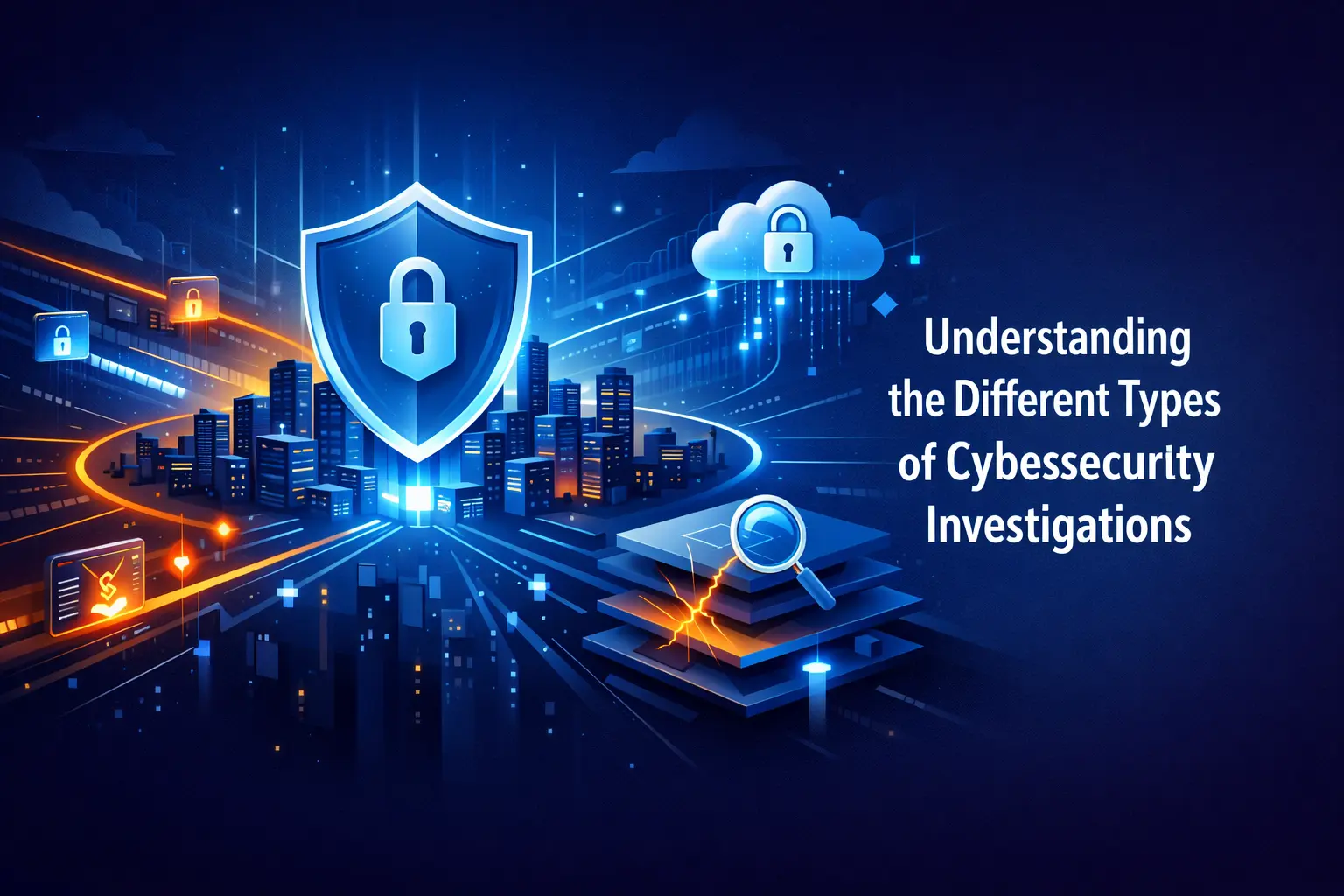
cybersecurity investigations types, digital forensic investigation, incident response investigation, threat hunting cybersecurity, insider threat investigation, compliance investigation cybersecurity, malware analysis investigation, network security investigation, data breach investigation, vulnerability assessment investigation

Manoj Sharma
Founder & Lead Coach · CISSP, CCSP, CISM, CRISC
Quick Answer
What are the different types of cybersecurity investigations?
Cybersecurity investigations involve structured processes to uncover, analyse, and respond to digital incidents, breaches, and malicious activities. Key types include computer forensics (data recovery and analysis from devices), network forensics (capturing and studying network traffic), mobile device investigations, and cloud forensics, each tailored to specific environments and evidence types. Investigations can also be reactive — responding to reported breaches — or proactive, aimed at preventing incidents by gathering intelligence and monitoring threats.
Types of Cybersecurity Investigations: A Comprehensive Guide
Introduction
In the rapidly evolving digital landscape, the necessity of robust cybersecurity measures has become increasingly paramount. As businesses and individuals rely more on digital platforms, the risk of cyber threats looms larger than ever.
To effectively safeguard against these perils, it is crucial to understand the different types of cybersecurity investigations. This comprehensive guide explores the intricacies of cybersecurity investigations and provides a detailed analysis of the key methods used to combat cyber threats.
A Closer Look at Network Security Investigation
Network security investigation focuses on monitoring and protecting network infrastructure from cyber threats.
Key focus areas include:
Monitoring network activities
Identifying potential vulnerabilities
Deploying robust firewall systems
Analysing network traffic
A comprehensive approach to network security investigation is essential for maintaining the confidentiality and integrity of sensitive data.
Exploring Intrusion Detection Systems (IDS) and Intrusion Prevention Systems (IPS)
Intrusion Detection Systems (IDS) and Intrusion Prevention Systems (IPS) are vital for identifying and preventing cyber intrusions.
Their core functions include:
Real-time monitoring of network traffic
Detection of suspicious activity using advanced algorithms
Prevention of unauthorized access attempts
Mitigation of malicious activities
IDS and IPS play a critical role in strengthening network defence mechanisms.
Unveiling the Nuances of Application Security Investigation
Application security investigation focuses on protecting software applications from vulnerabilities and external threats.
Core activities include:
Conducting vulnerability assessments
Implementing access controls
Enforcing authentication protocols
Securing application logic and data flows
This multi-layered approach helps fortify applications against breaches and exploits.
Understanding the Significance of Penetration Testing
Penetration testing plays a proactive role in application security investigation.
Key objectives include:
Simulating real-world cyberattacks
Identifying exploitable vulnerabilities
Testing defensive controls
Strengthening application resilience
Penetration testing enables organizations to detect weaknesses before attackers exploit them.
Delving into Cloud Security Investigation
Cloud security investigation ensures the protection of data stored in cloud environments.
Important measures include:
Data encryption
Strong access controls
Regular security audits
Monitoring cloud activity
A structured cloud security investigation strategy is essential to maintain data confidentiality and integrity.
Assessing the Role of Encryption in Cloud Security
Encryption is a foundational component of cloud security.
Encryption helps by:
Protecting data at rest and in transit
Preventing unauthorized access
Minimizing the impact of data breaches
Advanced encryption algorithms and data masking techniques enhance cloud data protection.
Understanding the Key Components of a Cybersecurity Investigation Plan
Formulating a Comprehensive Incident Response Plan (IRP)
An Incident Response Plan (IRP) ensures a swift and coordinated response to cybersecurity incidents.
Key elements include:
Clear communication channels
Defined response procedures
Assigned incident response teams
Containment and recovery strategies
An effective IRP minimizes damage and downtime during security incidents.
The Role of Forensic Analysis in Incident Response
Forensic analysis plays a crucial role in cybersecurity investigations.
Key forensic activities include:
Collecting digital evidence
Analysing attack vectors
Reconstructing attack timelines
Supporting attribution and legal action
Advanced forensic tools enable detailed investigation of cyber incidents.
Implementing Proactive Security Measures with Risk Assessment
Proactive security focuses on identifying and mitigating risks before incidents occur.
Key activities include:
Conducting detailed risk assessments
Identifying vulnerable infrastructure components
Implementing preventive security controls
Reducing the likelihood of breaches
This approach strengthens organizational cyber resilience.
Understanding the Importance of Vulnerability Assessments
Vulnerability assessments help identify weaknesses in security systems.
Key practices include:
Vulnerability scanning
Security audits
Configuration reviews
Patch validation
Regular assessments improve infrastructure resilience against cyber threats.
Understanding the Role of Cybersecurity Compliance in Investigations
Compliance with Industry Standards and Regulations
Compliance ensures adherence to recognized cybersecurity frameworks.
Benefits include:
Protecting sensitive data
Ensuring legal and ethical standards
Demonstrating organizational accountability
Compliance strengthens trust and reduces regulatory risk.
Navigating Data Privacy Laws and Regulations
Understanding data protection laws is essential for secure data handling.
Key regulations include:
General Data Protection Regulation (GDPR)
California Consumer Privacy Act (CCPA)
Compliance reduces exposure to data breaches and legal penalties.
The Importance of Continuous Monitoring and Auditing
Continuous monitoring ensures ongoing security visibility.
Benefits include:
Early detection of suspicious activity
Faster incident response
Reduced impact of cyberattacks
Automated monitoring tools enhance real-time threat detection.
The Significance of Security Audits and Assessments
Routine audits help evaluate the effectiveness of security controls.
Audit activities include:
Penetration testing
Vulnerability scanning
Compliance assessments
Audits help identify weaknesses and improve security posture.
Understanding the Evolving Landscape of Cyber Threats and Security Protocols
Emerging Trends in Cyber Threats and Countermeasures
Modern threats include:
Ransomware attacks
Phishing campaigns
Supply chain compromises
Organizations must adapt security strategies to counter evolving threats.
Harnessing Artificial Intelligence and Machine Learning in Cybersecurity
AI and ML enhance cybersecurity capabilities through:
Automated threat detection
Predictive analytics
Behavioural analysis
Faster incident response
Advanced technologies improve resilience against sophisticated attacks.
Conclusion
Understanding the different types of cybersecurity investigations is essential for building a resilient security framework. Through continuous monitoring, proactive risk assessment, compliance adherence, and the use of advanced technologies such as AI and ML, organizations can protect their digital assets effectively.
A strong cybersecurity posture ensures the confidentiality, integrity, and availability of critical systems while reducing exposure to evolving cyber threats.
Frequently Asked Questions (FAQ)
Can someone with computer science engineering become a security analyst?
Yes, a computer science engineering background provides a strong foundation for cybersecurity roles.
Does the SOC analyst training at Cybernous prepare you for interviews?
Yes, the training focuses on practical tools, real-world scenarios, and interview preparation.
Is it possible to crack this certification in the first attempt?
Yes, with structured preparation and consistent practice, it is achievable.
Related reading
Frequently Asked Questions
You might also like

Ready to accelerate your certification journey?
Join Cybernous' structured programme with live mentoring, hands-on practice, and a proven track record.